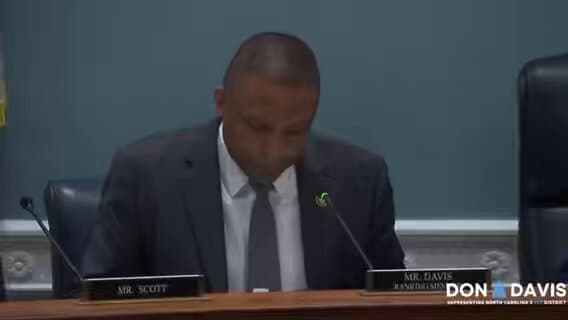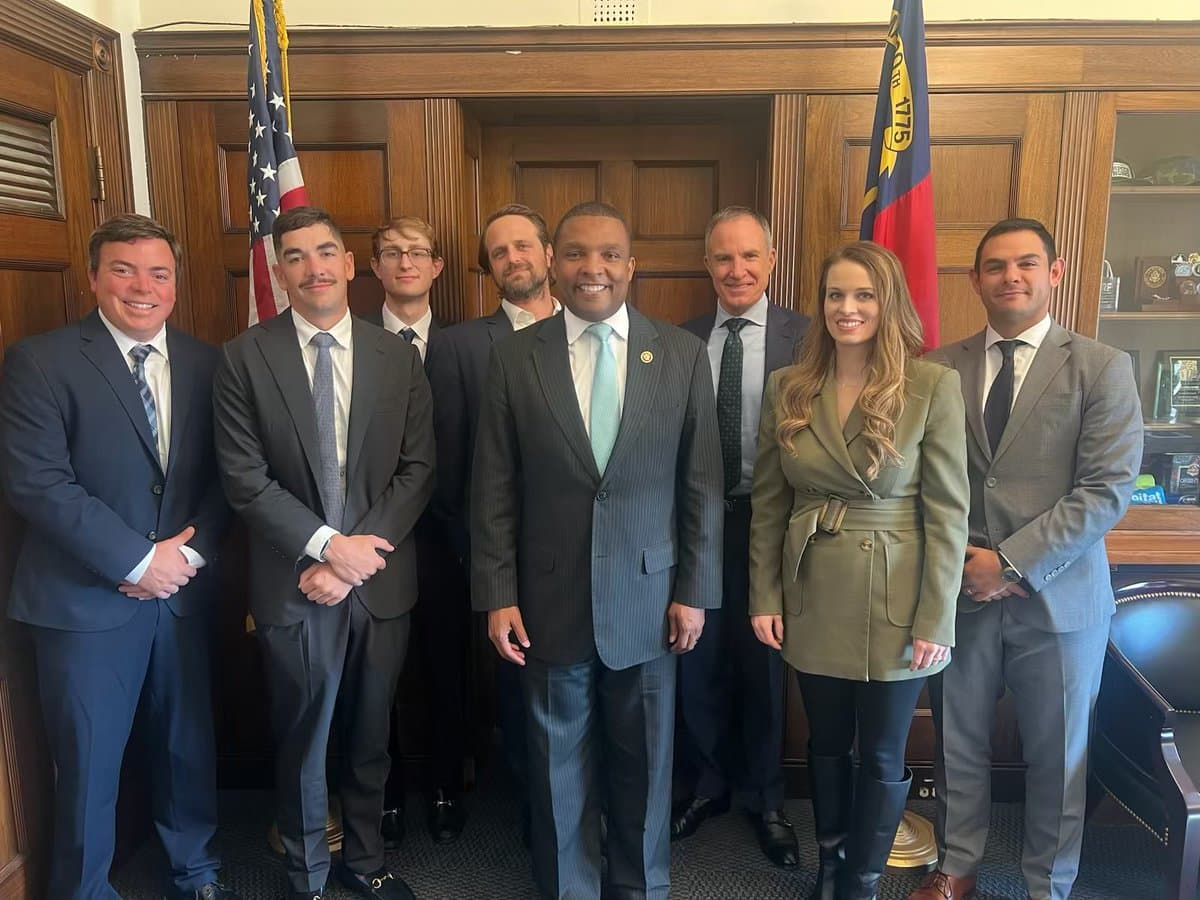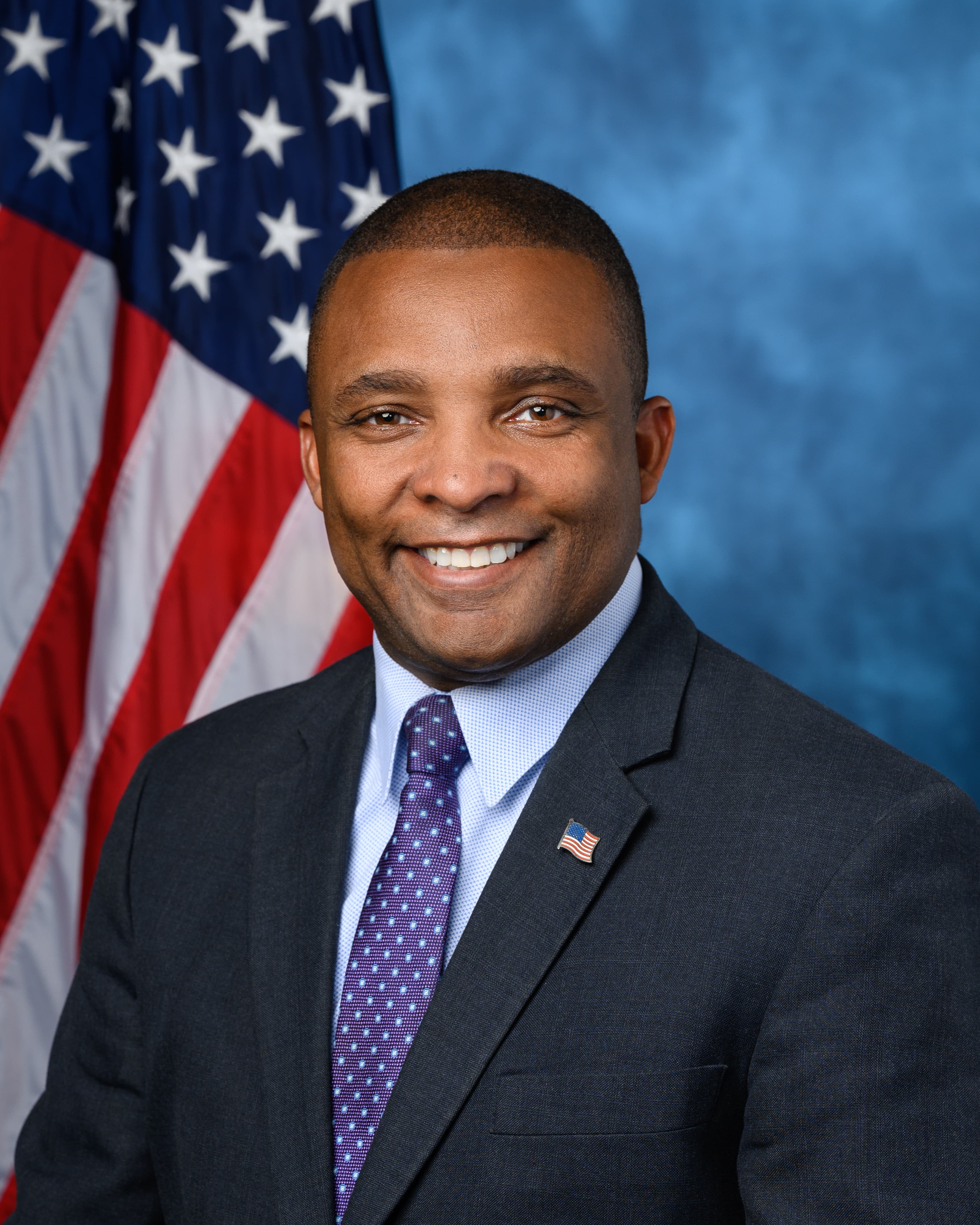

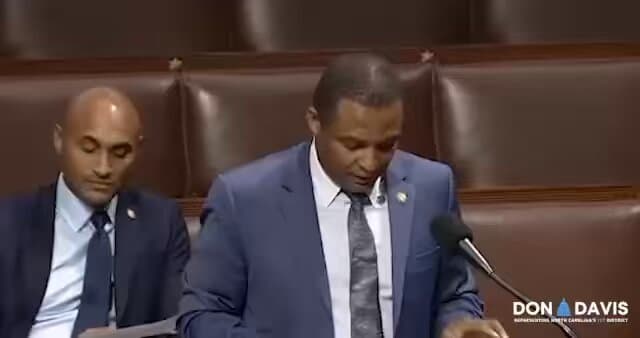
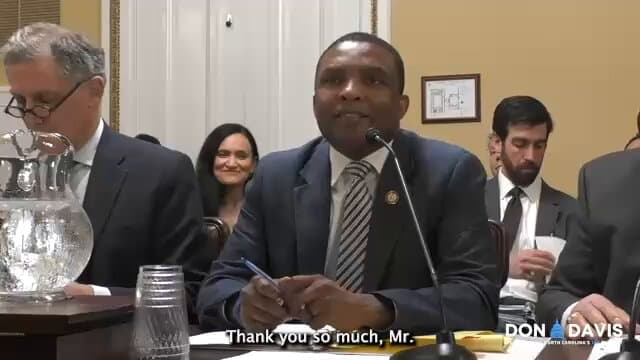
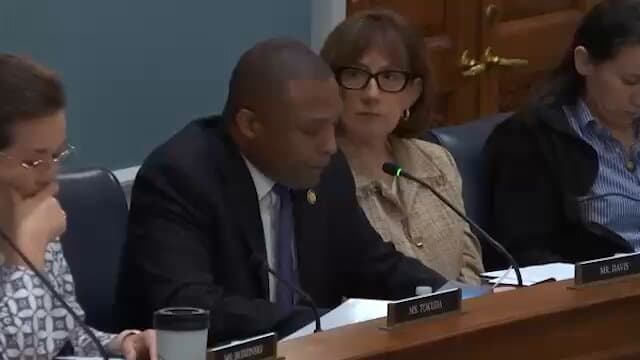
The CFTC is understaffed and facing increasing demands to oversee digital assets, prediction markets, and more amid leadership uncertainty. Chairman Selig addressed the House Agriculture Committee as we work to strengthen agency coordination, clarify rules, and enhance consumer protections.
Very Pro-CryptoAdd commentary on this stance
Commentary on Stance

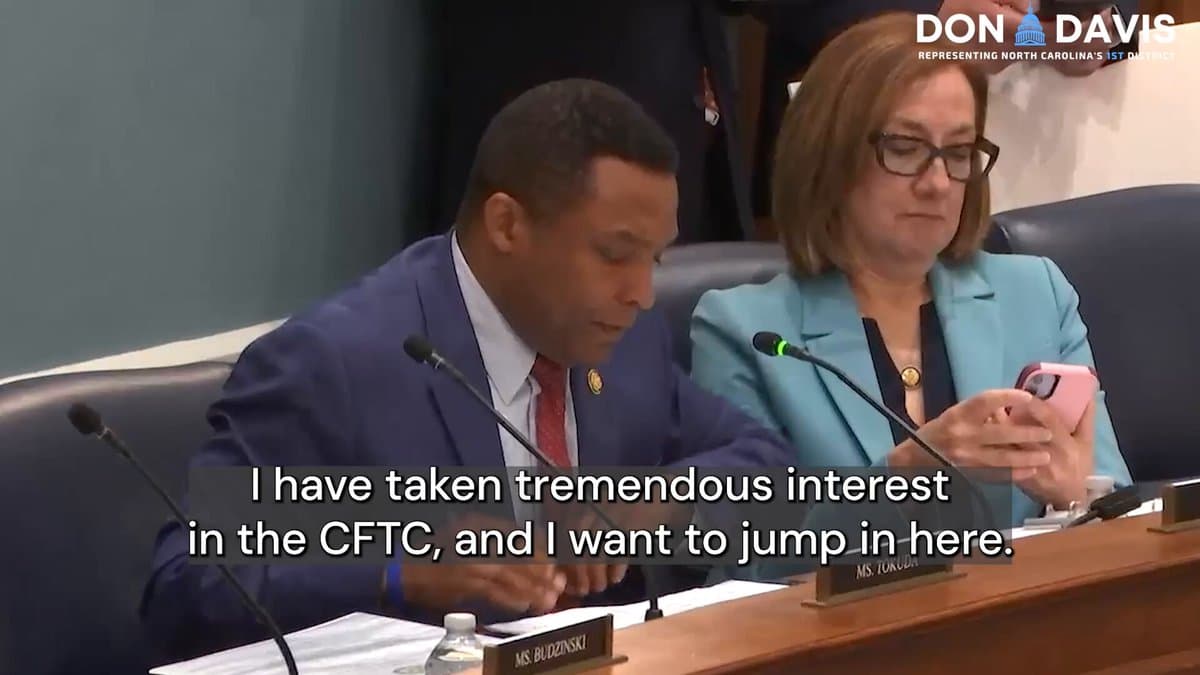
Representative Don Davis recently highlighted the increasing demands on the CFTC to oversee digital assets and emphasized the need to "clarify rules." This stance earns a perfect score of 100 because it champions exactly what the digital asset industry needs most: true regulatory clarity.
It is vital to understand the difference between restrictive, punitive regulations and actual regulatory clarity. For years, the industry suffered under hostile approaches that attempted to shoehorn all tokens into outdated securities laws through arbitrary enforcement actions. Conversely, when a lawmaker explicitly calls for clear rules of the road, it is a massive pro-crypto signal. It shows a desire to establish a legal framework where innovators can build securely in the United States. Pairing this goal with enhanced consumer protections is the correct approach to market oversight—you stop bad actors by implementing sensible rules, not by crippling the underlying technology.
For context, Representative Davis has been a steadfast advocate for the industry. He was a prominent backer of the CLARITY Act, landmark legislation designed to grant the CFTC exclusive jurisdiction over digital commodity spot markets, clearly separate commodities from securities, and protect the rights of individuals to self-custody their assets.
His latest comments reflect a highly practical understanding of the situation. If we want the CFTC to be the primary regulator for digital assets and prediction markets, the agency cannot remain understaffed. By advocating for proper resources, strong agency coordination, and clear guidelines, Representative Davis continues to demonstrate how to effectively foster financial innovation while keeping markets safe and transparent.


 The Digital Asset Market Clarity (CLARITY) Act establishes a regulatory framework for digital assets in the United States, and I am co-leading it to ensure that America leads and shapes the future of digital finance.